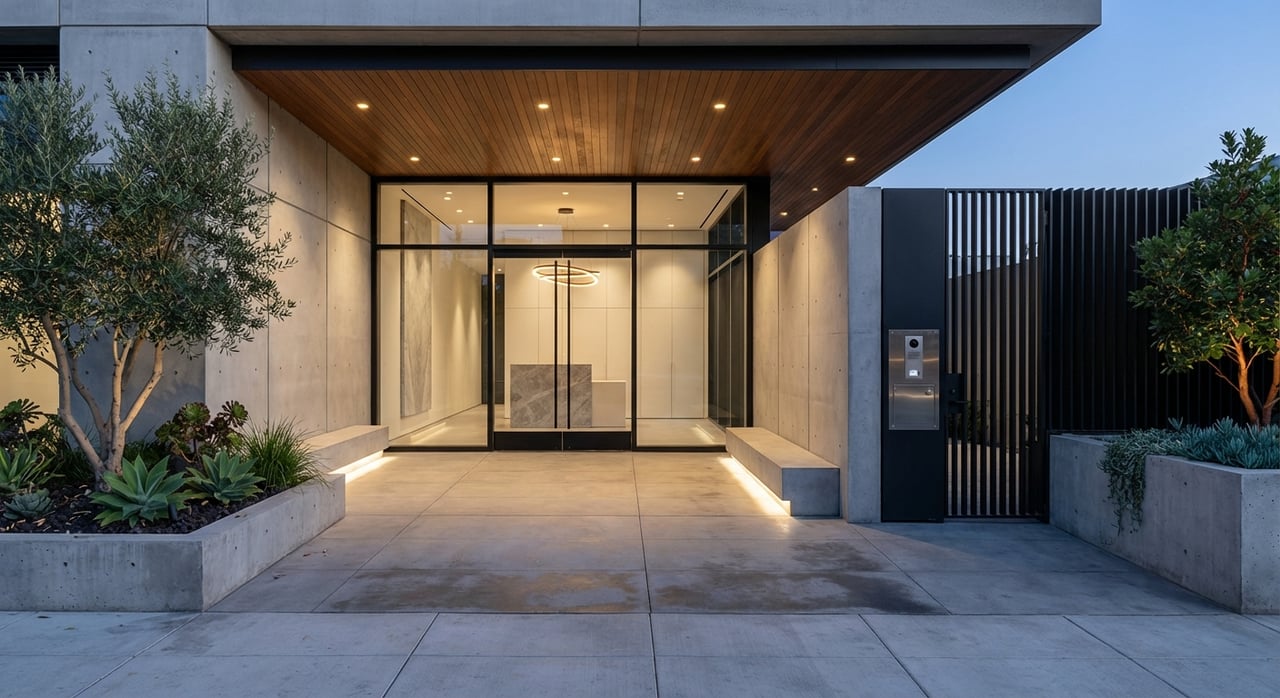
Craving a San Francisco home base that is simple to own, easy to access, and steps from the city’s best experiences? If you fly in often, split time between regions, or want a secure place to land for work and weekends, a well-chosen pied-à-terre can make every trip smoother. In this guide, you’ll learn how to narrow your search by lifestyle, transit, and building services, then see which neighborhoods deliver the most turnkey, lock-and-leave living. Let’s dive in.
Start with lifestyle and access
Before you tour buildings, get clear on location priorities that do not change. Use this framework to focus your search:
Primary lifestyle goal: choose access to the waterfront and parks, nightlife and dining, or cultural institutions first. Your day-to-day routine should guide the map.
Transit connectivity: prioritize quick links to BART for airport and East Bay trips, Caltrain for the Peninsula, and Muni for local rides. Fewer transfers mean less friction.
Building type and services: full-service high-rises and newer condos often include a concierge, package rooms, and on-site management. Smaller historic flats may not.
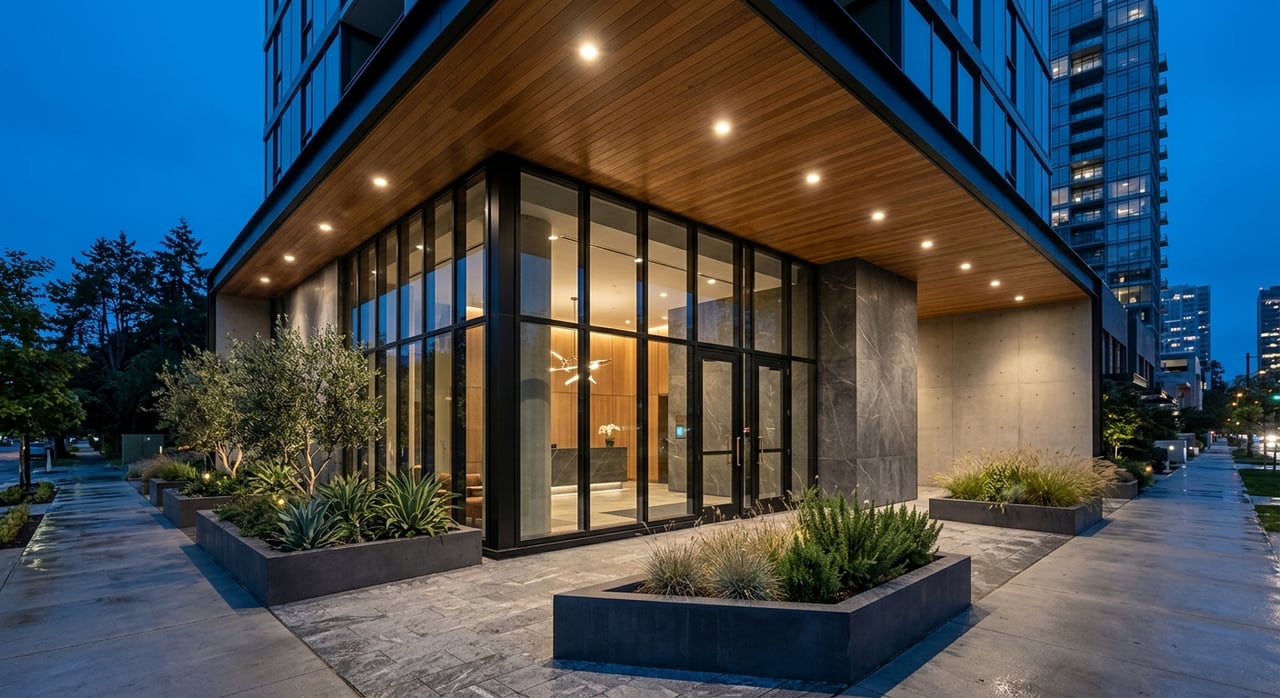
Lock-and-leave practicality: look for secure entry, monitored access, in-building management, storage lockers, and easy vendor access.
Rules and resilience: understand San Francisco’s residency-based short-term rental program so you do not assume income that is not allowed. Review shoreline exposure and sea-level planning if you like the waterfront. The city’s Office of Short-Term Rentals outlines requirements for hosts who live in the unit most of the year, and un-hosted nights are limited. See the program details on the city’s site under short-term rentals. For long-horizon buyers near the bay, regional planners track areas sensitive to sea-level rise; review vulnerability maps and confirm building-level protections. Read more at the Office of Short-Term Rentals and on the regional sea-level indicator pages.
Learn more on the short-term rental rules: visit the city’s overview of San Francisco short-term rental eligibility.
Explore regional sea-level rise context: see the Bay Area vulnerability to sea-level rise indicator.
Best locations for a pied-à-terre
South Beach / Rincon Hill
If you want flat waterfront walks, modern towers, and instant Embarcadero access, start here. You are a short stroll to Oracle Park for baseball and concerts, plus the Ferry Building’s food halls. Event days can bring traffic near the ballpark, so plan arrivals accordingly. For ballpark and event context, see the San Francisco Giants official information page.
Transit is simple from this district. You are close to Embarcadero BART and a short hop to Caltrain for Peninsula trips. Walkability in Rincon Hill is typically very high, with neighborhood Walk Scores often in the 90s; explore a sample at Rincon Hill Walk Score.
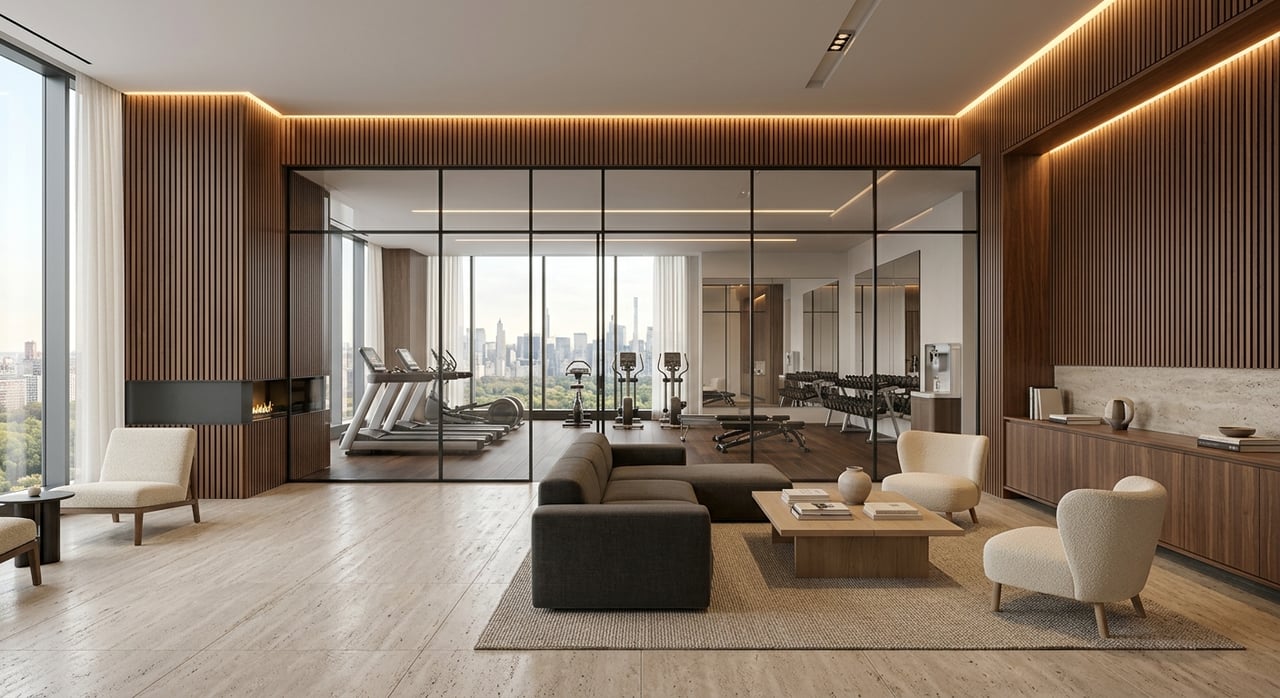
Building stock skews new. Expect high-rise and mid-rise condos with doormen, controlled access garages, and package lockers. Amenity-forward rentals in the area show what modern services look like, including staffed lobbies and on-site management. For a representative amenity set nearby, review Modera Rincon Hill’s community features.
Bottom line: South Beach and Rincon Hill deliver an excellent lock-and-leave fit, with hotel-like convenience and immediate waterfront access. Unobstructed bay views often carry a premium.
Mission Bay
Mission Bay is a planned, modern neighborhood that transformed former industrial land into parks, housing, and a major UCSF campus. It also places you near the Chase Center and Thrive City. For neighborhood history and scope, see Mission Bay’s background.
You will find strong transit links and high walkability in the core, with the Muni T Third line and easy access to Caltrain at 4th and King. Central Mission Bay addresses commonly achieve high Walk Score values; review a representative location’s metrics at this Walk Score sample for Mission Bay.
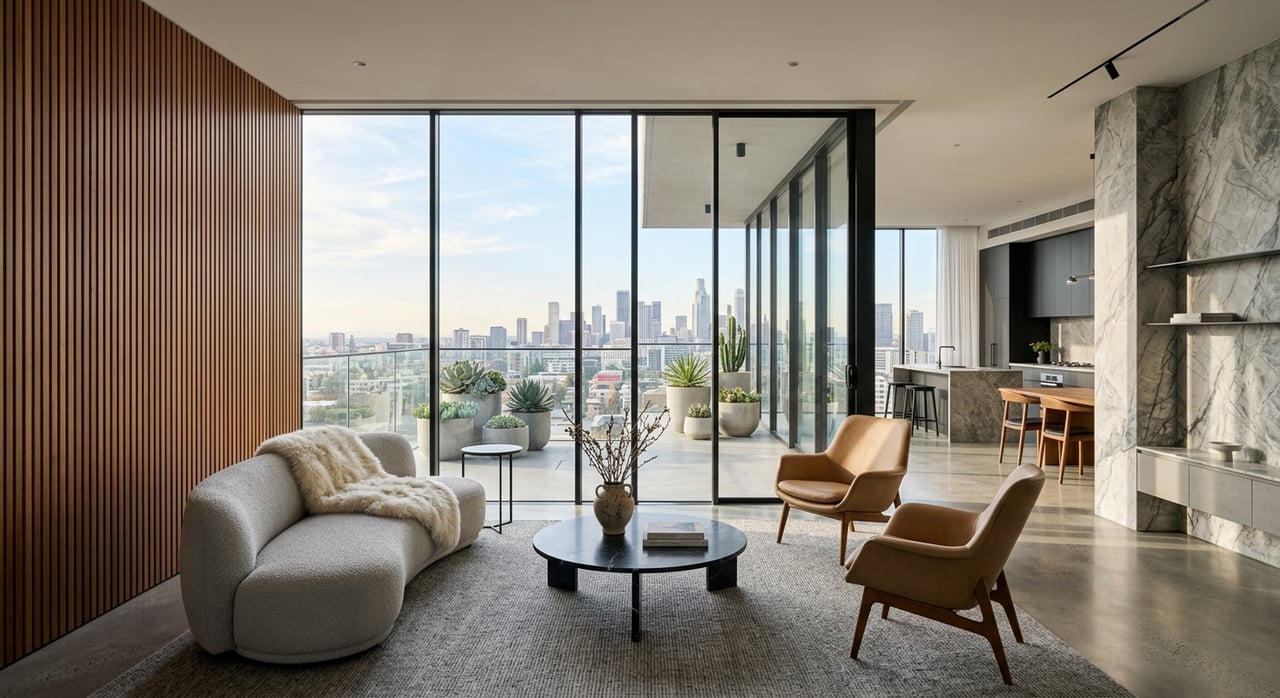
Most buildings are newer mid-rise and tower condominiums with resort-style amenities, on-site management, and secure package rooms. These projects are designed for low-maintenance living that suits part-time owners. For a sense of typical offerings, view the amenity list at One Mission Bay.
Bottom line: Mission Bay is ideal if you want newer construction, predictable building management, and proximity to UCSF and the arena district. Long-term buyers should also ask about shoreline exposure and building-level resilience; consult the regional sea-level vulnerability indicator and request HOA disclosures on flood planning.
Downtown / Union Square / Financial District
If your calendar runs on theater nights, shopping, and client dinners, Downtown’s core shines. You have immediate access to hotels for guests and a dense mix of restaurants and retail around Union Square and Market Street. Large events at Moscone Center can bring crowds, so expect an active street scene.
Transit is a major strength. Market Street is a central hub where BART and Muni lines converge, which keeps airport runs and East Bay connections straightforward. For many owners here, a car becomes optional.
Housing varies widely, from historic conversions and lofts to modern condo towers. Many buildings sit within steps of high-end hotels and services, which eases the hosting burden.
Bottom line: Downtown offers strong lock-and-leave convenience, deep cultural access, and easy transit. It trades quiet nights for energy and proximity.
Northern neighborhoods: Nob Hill, Russian Hill, North Beach
Choose the northern hills if you value historic character, classic streetscapes, and dense dining scenes, especially in North Beach. Steep blocks deliver dramatic views toward Coit Tower and the bay. Walkability is high across these neighborhoods; see a snapshot at Nob Hill Walk Score.
Transit for local trips is convenient, with cable cars and Muni lines nearby. Regional rail requires a quick transfer to Market Street for BART. The hills can make luggage and rideshares a bit more involved, so plan accordingly.
Building types lean vintage: Edwardian flats, smaller condos, and boutique walkups. These homes may not include 24/7 desks or package rooms, and older structures warrant careful review of seismic and building condition records.
Bottom line: Northern neighborhoods deliver charm, restaurants, and views, with lighter building services. You can offset that with preferred third-party vendors for housekeeping and package handling.
What to prioritize in a listing
Use this checklist to stress-test any pied-à-terre you tour:
- Building services and security: look for 24/7 staff or concierge, controlled access, package lockers, and on-site management. Many newer towers in the core include these features; see a representative list of services in a modern South Beach property’s amenities.
- Storage and parking: deeded or long-term parking helps if you drive in occasionally; storage lockers keep gear on-site. Amenity-forward buildings often highlight these as key conveniences, as seen in One Mission Bay’s features.
- HOA governance and finances: review reserves, assessment history, and vendor contracts so your monthly dues translate into predictable services.
- Short-term rental and occupancy rules: San Francisco’s program is residency-based and limits un-hosted nights. Confirm eligibility before assuming any rental income. Review the city’s short-term rental FAQs.
- Climate and resilience checks: for waterfront addresses, review sea-level maps, building elevation, garage and mechanical locations, and HOA adaptation plans. Start with the regional sea-level rise indicator.
- Seismic and building condition: for older structures, request retrofit records and permits, especially for soft-story or structural upgrades.
- Concierge and vendor network: confirm preferred providers for housekeeping, laundry pickup, pet care, and keyholding.
- Commute and gateway access: if you travel the Peninsula, stay close to Caltrain at 4th and King or near the Transbay/Salesforce Transit Center. For East Bay and airport, keep BART proximity in mind. Explore regional service at Caltrain.
Quick picks by lifestyle
- Best for waterfront ease and modern services: South Beach and Rincon Hill. Expect flat walks, Embarcadero access, and full-service towers. See a neighborhood snapshot at South Beach Walk Score.
- Best for culture, dining, and hotels: Downtown, Union Square, and the Financial District. Theater, shopping, and guest lodging are steps away.
- Best for new-build amenities near UCSF and the arena: Mission Bay. Review the district’s modern planning history on Mission Bay’s Wikipedia page.
- Best for historic character and local restaurants: Nob Hill, Russian Hill, and North Beach. Walkability is strong across the hills; sample metrics at Nob Hill Walk Score.
Next steps and private guidance
A great pied-à-terre should feel effortless the moment you land. Prioritize the neighborhood that fits your routine, then focus on buildings with the right staffing, management, and resilience profile. If you want discreet access to the best towers, nuanced HOA insight, and negotiation that reflects deep building knowledge, let’s talk. Schedule a private consultation with Bryant Kowalczyk.
FAQs
Can I short-term rent a non-primary SF pied-à-terre?
- San Francisco’s short-term rental program is residency-based; hosts must live in the unit most of the year, and un-hosted nights are capped. Non-primary pied-à-terre units are typically ineligible. Always confirm specifics with the city’s Office of Short-Term Rentals.
Should I worry about sea-level rise for a waterfront condo?
- Long-horizon buyers should review regional vulnerability maps and building-level protections, including elevation, garage placement, and mechanical rooms. Start with the regional sea-level indicator and request HOA disclosures.
Which neighborhoods are easiest to manage remotely?
- Full-service towers in South Beach, Rincon Hill, and many Mission Bay buildings offer staffed lobbies, package rooms, and on-site management that simplify part-time ownership. For typical service packages, see a representative amenity list at Modera Rincon Hill.
What if I need quick access to the Peninsula or East Bay?
- For the Peninsula, stay close to Caltrain at 4th and King or near the Salesforce Transit Center’s regional links. For the East Bay and SFO/OAK, keep BART access from Market Street hubs in mind. Explore rail service at Caltrain.
What documents should I review before closing on a pied-à-terre?
- Request HOA budgets and reserves, assessment history, management contracts, seismic and retrofit records for older buildings, and any flood or shoreline disclosures. If rentals are part of your plan, confirm eligibility with the city’s short-term rental FAQs.