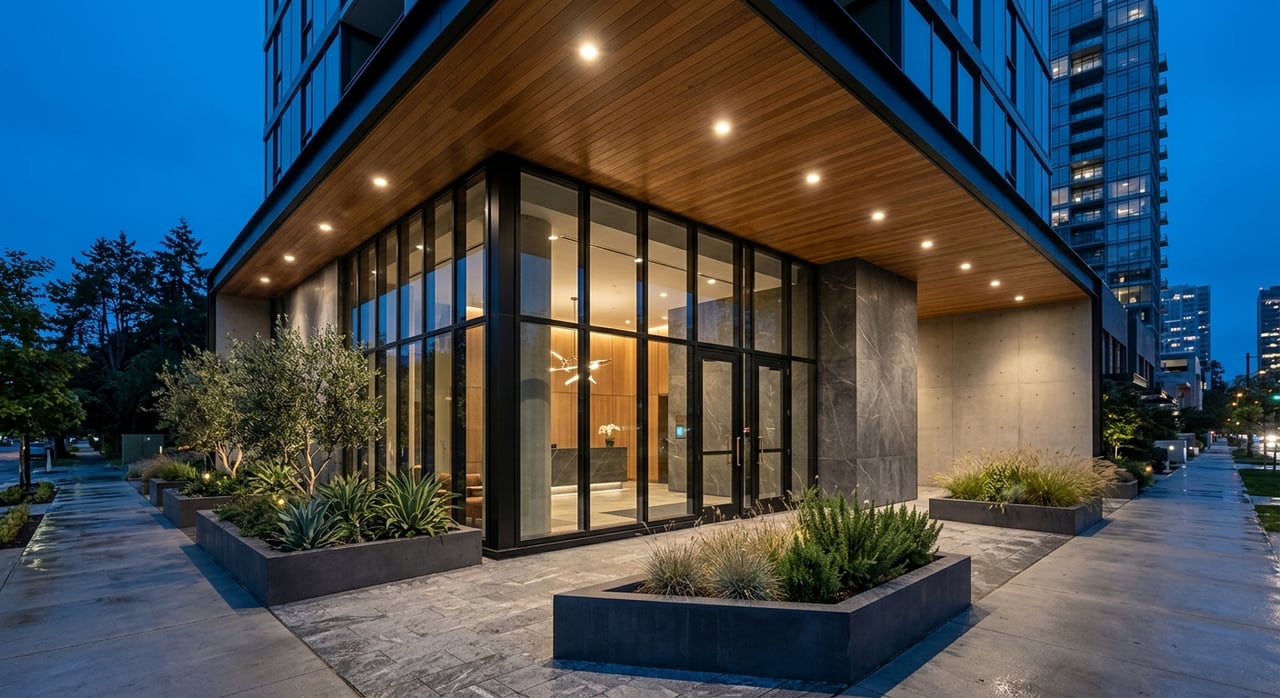
Looking for a luxury tower in San Francisco is not only about square footage, views, or amenities. For many buyers, the real question is what daily life feels like once you step outside the lobby. In downtown San Francisco, that answer is unusually rich. Within a compact urban core, you can move from museum galleries to waterfront dining, from jazz or opera to a market stroll, often without needing a car. Let’s dive in.
Downtown Culture Lives in Districts
San Francisco’s luxury-tower core works best when you think of it as a set of connected micro-districts. Rather than one uniform downtown neighborhood, you get several distinct environments that overlap and complement each other.
For luxury condo buyers, that variety is a major lifestyle advantage. The same part of the city can feel like a museum campus, a waterfront promenade, a performance district, or an event-driven entertainment zone depending on where you go and what time of day it is.
SoMa and Yerba Buena
SoMa and Yerba Buena are the clearest walk-to-culture pocket in the downtown tower orbit. According to San Francisco Travel, this district brings together art museums, public art, professional sports, and trend-forward dining in one concentrated area.
This is where you find SFMOMA, Yerba Buena Center for the Arts, Yerba Buena Gardens, and Moscone Center within close reach of one another. If you value a routine that includes galleries, performances, and public open space, this district sets the tone.
Embarcadero and Financial District
The Embarcadero and Financial District offer a different kind of rhythm. Here, the appeal comes from the waterfront, the Ferry Building, strong restaurant density, and easy transit connections.
This area blends polished business-day convenience with scenic evening energy. You can start with coffee by the bay, pick up ingredients or prepared food at the market, and end with dinner overlooking the Bay Bridge.
Civic Center and Hayes Valley
Civic Center and Hayes Valley are the strongest fit for residents who want performing arts close at hand. San Francisco Travel highlights this district for museums and concert venues, including the War Memorial Opera House, Davies Symphony Hall, SFJAZZ, and the Asian Art Museum.
If your ideal evening includes ballet, opera, symphony, or jazz, this district gives downtown high-rise living a more classical cultural edge. It is one of the easiest places in the city to build a regular performance-night routine.
Mission Bay and South Beach
Mission Bay and South Beach add a newer, more contemporary layer to the experience. This area is shaped by waterfront parks, dining, major league sports, and the event calendar around Chase Center.
Compared with the older downtown core, the mood here feels more modern and energetic. For buyers who want immediate access to concerts, games, and newer waterfront activity, this district often stands out.
Museum and Art Anchors Nearby
One of the strongest advantages of downtown San Francisco luxury towers is how close many residences are to major cultural institutions. Instead of planning a full day around an art outing, you can often make it part of an ordinary weeknight or weekend walk.
That kind of proximity changes how culture fits into your life. It becomes less of a special trip and more of a habit.
SFMOMA and YBCA
SFMOMA is one of the biggest cultural anchors in this part of the city. Its official site describes it as one of the nation’s largest modern and contemporary art museums, with seven gallery floors and free public space.
Nearby, Yerba Buena Center for the Arts adds contemporary art, dance, film, and public art. Because the YBCA campus is embedded directly into downtown, it feels connected to everyday city life rather than set apart from it.
MoAD and Public Art
The Museum of the African Diaspora, located at 685 Mission Street on the ground floor of the St. Regis, adds another important cultural dimension to the district. Its presence gives the immediate tower corridor access to an institution with a distinct artistic and cultural focus.
Public art also plays a visible role across the area. San Francisco Travel highlights works at Moscone Center by artists including Leo Villareal, Keith Haring, and Sarah Sze, helping turn ordinary walks through downtown into more visually engaging routes.
Gardens, Festivals, and Open Space
Yerba Buena Gardens offers more than landscaping and seating. The Yerba Buena Gardens Festival programs free classical, world, and jazz music, along with dance, theater, and family events.
Salesforce Park adds another kind of urban reset. San Francisco Travel says the rooftop park spans 5.4 acres and includes 600 trees, 16,000 plants, a half-mile trail, and regular programming. For tower residents, that means open space is not an afterthought. It is built into the downtown routine.
Dining Around the Towers
Dining is one of the clearest reasons buyers gravitate toward downtown San Francisco high-rises. The surrounding districts support several different use cases, from weekday business meals to milestone dinners and casual market stops.
That flexibility matters when you are choosing between buildings or neighborhoods. A luxury address feels even more valuable when strong dining options are part of your everyday radius.
Everyday Food at the Ferry Building
The Ferry Building is one of the best everyday food anchors in the city. The marketplace says it includes nearly 50 local artisan merchants, restaurants, and small eateries, along with a year-round farmers market on Tuesday, Thursday, and Saturday.
It also offers the city’s largest outdoor dining area. For residents in nearby towers, that creates a practical mix of convenience and atmosphere, whether you are grabbing coffee, shopping for ingredients, or meeting friends for a casual meal.
Business and Hotel Dining
For polished lunches and evening meetings, hotel dining remains an important part of the downtown luxury lifestyle. MKT at Four Seasons is positioned as a fit for business lunches, client meetings, and evening dining, while Orafo at Four Seasons Hotel San Francisco at Embarcadero focuses on Italian classics, fresh pasta, and locally sourced seafood.
This category matters especially for executives and pied-à-terre buyers. It gives you refined, reliable options close to major residential towers and office corridors.
Waterfront Occasion Dining
The waterfront is where downtown dining becomes more scenic. EPIC Steak sits directly on the Embarcadero with Bay Bridge and skyline views, while Waterbar is known for seafood in the same waterfront setting.
Angler adds another Embarcadero option with a seafood and live-fire focus. If your idea of luxury includes dinners that feel distinctly San Francisco, this stretch delivers that visual and culinary pairing.
Fine Dining in SoMa and Jackson Square
For milestone meals, Jackson Square and the SoMa orbit are especially strong. Quince moved to Jackson Square in 2009 and earned its third Michelin star in 2017, while Cotogna serves as its more relaxed companion focused on regional Italian cuisine.
Benu, located at 22 Hawthorne Street, is another major dining anchor nearby and holds three Michelin stars according to its official team page. These restaurants reinforce the idea that downtown tower living is not only convenient, but genuinely world-class when it comes to dining access.
Performance Nights Without the Hassle
For many luxury buyers, culture means more than museums and restaurants. It also means being able to enjoy a performance without complicated planning, long drives, or a full evening built around logistics.
That is where San Francisco’s downtown districts have a real advantage. Several major venues sit close enough to high-rise neighborhoods to make spontaneous nights out more realistic.
Opera, Symphony, and Jazz
The War Memorial Opera House is home to San Francisco Opera and San Francisco Ballet. Davies Symphony Hall anchors the symphony experience on Grove Street, and SFJAZZ notes that its center, opened in 2013, was the first stand-alone structure in the country built specifically for jazz performance.
Together, these venues create a strong after-dinner cultural circuit. If you enjoy performance as part of your regular lifestyle, not just on special occasions, that proximity can be a deciding factor.
Arena Events and Contemporary Entertainment
Chase Center expands the entertainment picture beyond the traditional arts. San Francisco Travel describes it as home to the Warriors and more, with over 10 event spaces and Thrive City as part of the overall destination.
That means your calendar can include concerts, sporting events, and large-scale gatherings without leaving the broader downtown orbit. It adds another layer of flexibility for buyers who want both refinement and energy.
Why Mobility Shapes Daily Life
In this part of San Francisco, lifestyle is not only about what is nearby. It is also about how easily the pieces connect. That is a major reason downtown luxury towers continue to appeal to buyers who value efficiency.
The Ferry Building is served by Muni, BART, ferry, and the F line. Chase Center is connected by Muni, BART, Caltrain, ferry, bike valet, and event-day transit, while Salesforce Park sits above the transit center with convenient access from downtown rail and bus lines.
A Practical Car-Light Routine
This network supports a practical car-light lifestyle. You can begin with the Ferry Building farmers market, walk or ride to a museum in SoMa, take a break in Salesforce Park, and finish with dinner and a performance or arena event.
For relocating executives and pied-à-terre buyers, that convenience is not a small detail. It is often one of the key reasons a downtown high-rise becomes the right fit.
What This Means for Luxury Buyers
When you evaluate a San Francisco luxury tower, the residence itself is only part of the picture. The surrounding cultural ecosystem often defines how much you actually enjoy owning there.
In the downtown core, the strongest buildings benefit from access to several distinct districts at once. You are not choosing only a view or amenity package. You are choosing whether your daily life includes museum access, waterfront dining, open space, market shopping, and performance venues within a compact part of the city.
For buyers considering addresses in SoMa, Yerba Buena, South Beach, or the Financial District, that is one of the most compelling lifestyle stories available in San Francisco today. If you want a home that supports both efficiency and experience, this tower corridor deserves a closer look.
If you are considering a high-rise residence in downtown San Francisco and want building-specific guidance, Bryant Kowalczyk offers private, high-touch representation tailored to luxury condo buyers, sellers, and pied-à-terre clients.
FAQs
What cultural attractions are near San Francisco luxury towers?
- Many downtown luxury towers are near SFMOMA, Yerba Buena Center for the Arts, MoAD, Yerba Buena Gardens, Salesforce Park, and major performance venues such as the War Memorial Opera House, Davies Symphony Hall, and SFJAZZ.
What dining options are near downtown San Francisco high-rises?
- The downtown tower area includes everyday dining and food shopping at the Ferry Building, business-friendly hotel restaurants, waterfront destinations like EPIC Steak and Waterbar, and fine dining options such as Quince, Cotogna, and Benu.
Which San Francisco district is best for walkable arts access?
- SoMa and Yerba Buena are the strongest fit for walkable access to museums, public art, gardens, and cultural venues within the downtown luxury-tower orbit.
Is it easy to live without a car in downtown San Francisco?
- Yes. The research shows strong access to Muni, BART, ferry service, the F line, Caltrain connections, and downtown transit hubs, which supports a practical car-light lifestyle for many residents.
Why do luxury buyers focus on lifestyle around the building?
- Buyers often look beyond the residence itself because nearby dining, arts, waterfront access, open space, and transit connections can shape how convenient and enjoyable everyday life feels.